Fit-first questions
- Door width and threshold height from loading area to work zone
- Turning radius requirements in corridors or between equipment
- Required platform height versus the actual ceiling or target
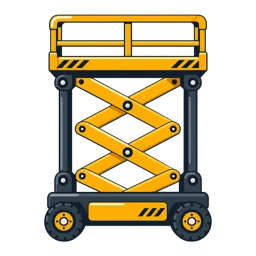
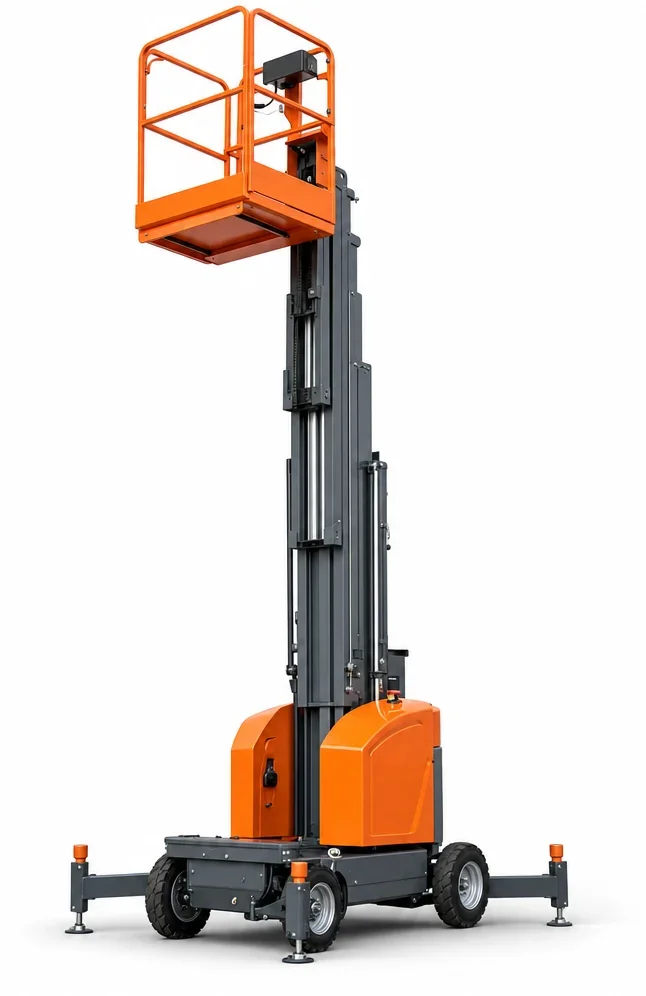
Vertical masts excel where a scissor won’t fit or would block traffic. Non-marking tires and low floor loading help in finished spaces.
Local building patterns that affect selection
- Facilities known for tall, glazed lobbies or production lines may require careful positioning near sensitive finishes. A compact mast reduces risk of contact compared to larger platforms.
- Older buildings can have uneven slabs at joints and patches. Small-diameter wheels prefer smooth surfaces; transitions and ramps should be considered in the route plan.
Measurements that narrow the model
- Stowed height to clear low door headers and pipes
- Platform capacity for one person plus tools
- Outreach options, if any, for tasks just off-vertical
When another lift is a better match
- Wider work areas with multiple workers at height align with /electric-scissor-lift-rental/.
- Exterior or uneven ground tasks move to /rough-terrain-scissor-lift-rental/ or boom options at /articulating-boom-lift-rental/.
Actual conditions, the selected unit’s instructions, and site procedures govern elevated work.
Related planning
For projects that also move pallets or materials to the work area, see /forklift-rental/ or /telehandler-rental/.