Define the operating envelope
- Aisle width and turning space at racks or machinery
- Doorway height and mast lowered height
- Load dimensions and typical pallet type
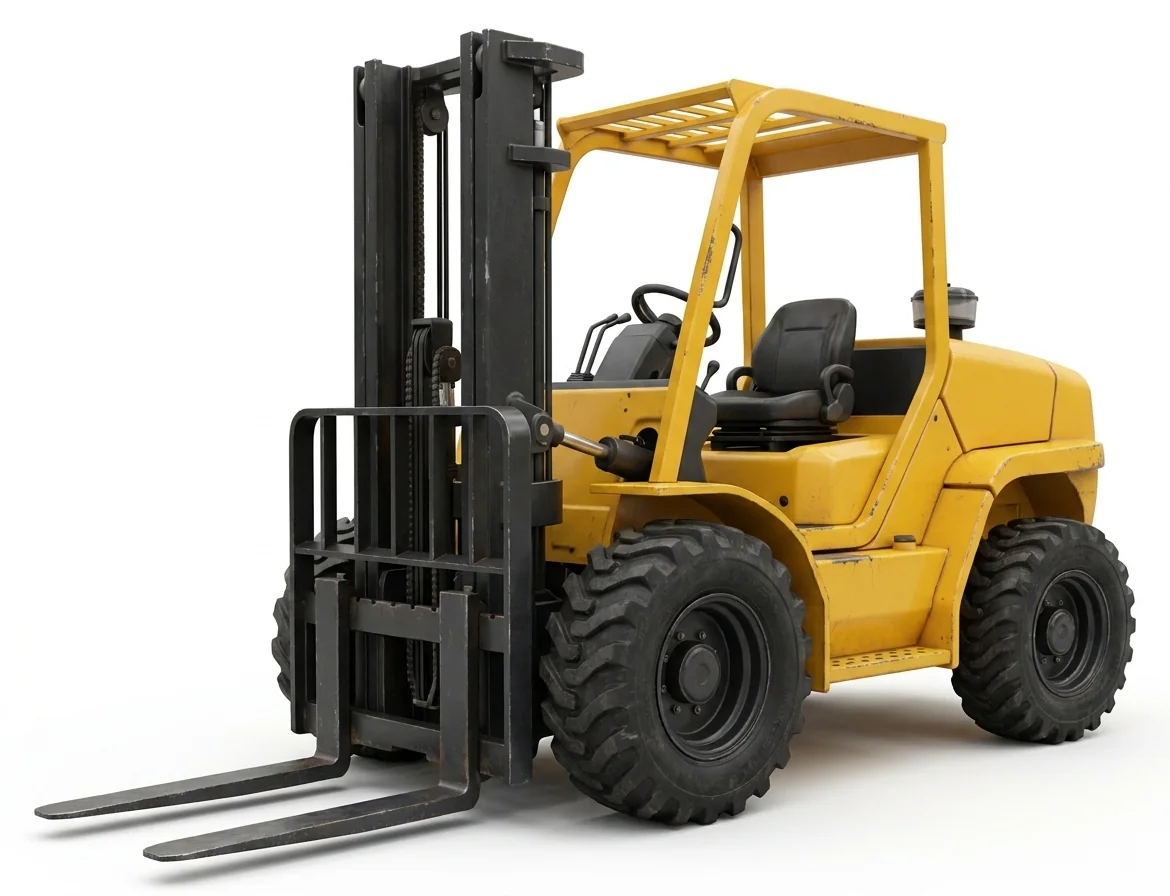
Indoor work with tight aisles usually favors electric counterbalance or narrow-aisle styles. Mixed indoor/outdoor moves to yard staging points lean toward pneumatic-tire, internal-combustion models for better ground clearance.
Local conditions that influence choice
- Lake-effect winters track moisture onto slabs. Non-marking tires may help protect floors, but traction near entries can still be reduced.
- Many distribution buildings near major corridors run long shifts. Charging access and battery management planning help maintain electric runtime during colder periods.
- Occasional moves across uneven dock aprons or patched concrete may require higher clearance and more robust tires than a small indoor unit provides.
Key measurements and constraints
- Maximum fork height relative to top rack beam or mezzanine edge
- Overhead guard clearance under sprinklers or utilities
- Capacity at the load center for the heaviest expected pallet
When a different category fits
- Placing materials to elevated building edges or long outdoor reaches: /telehandler-rental/.
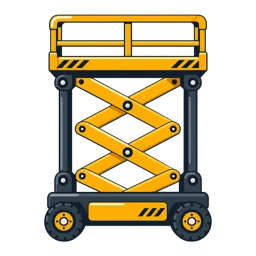
- Personnel access for inventory counts, lighting, or repairs at height: /vertical-mast-lift-rental/ or /electric-scissor-lift-rental/.
Actual conditions, the selected unit’s instructions, and site procedures govern on-site operations.
Related planning
For outdoor yards needing temporary control or weather staging, see /temporary-fencing-barricades-rental/ and /storage-containers-rental/.