Define the controlled space
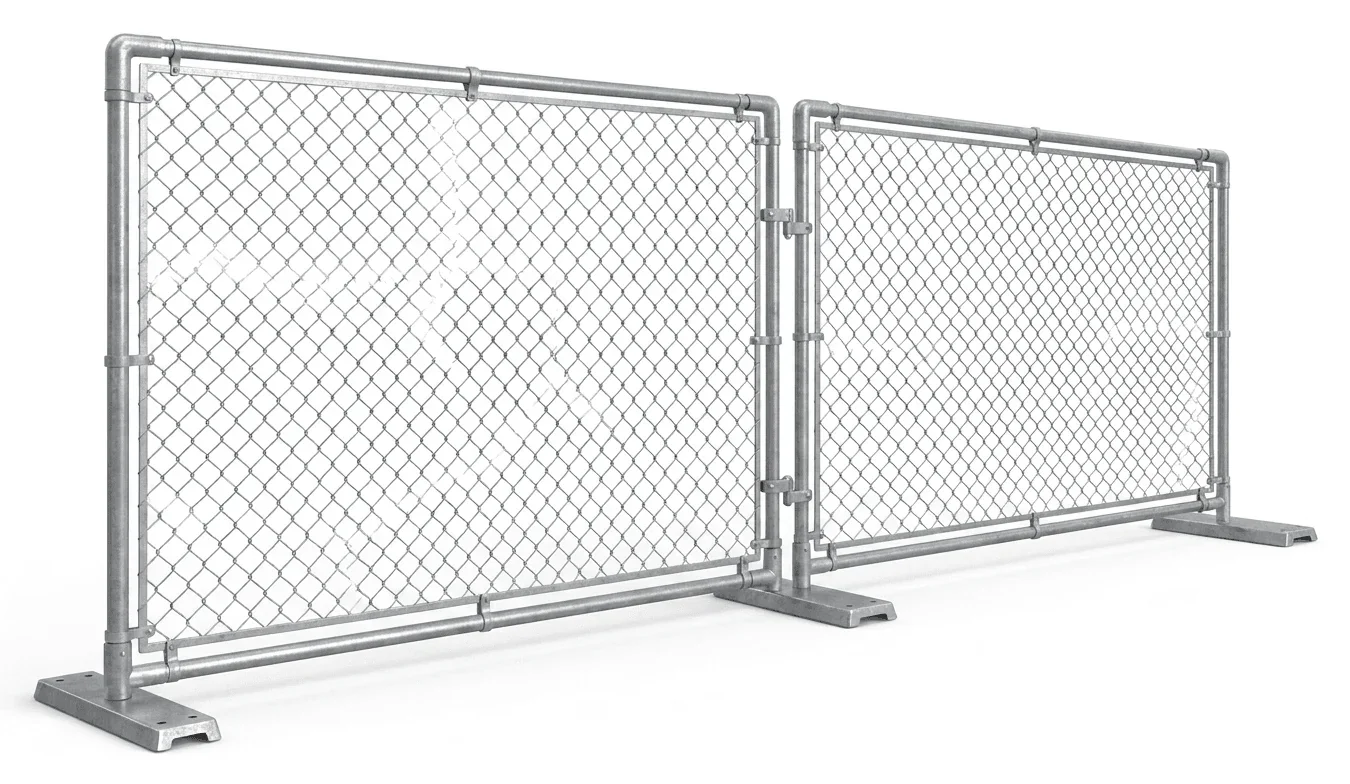
Begin with the job geometry. Identify where lifts, forklifts, and foot traffic intersect. A narrow barricade lane may suit short-duration indoor work, while exterior maintenance near active loading needs wider set-backs and vehicle-resistant segments.
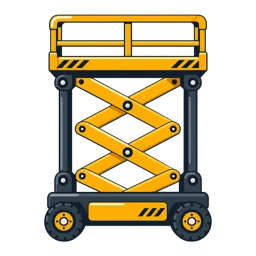
Key checks: - Can fencing sit below the task with clear overhead for lift booms or scissor decks? - Are access points aligned with safe approach paths for material handling? - Will visibility be maintained near reflective glass or bright task lighting at night?
Toledo-specific considerations
Open yards in the region experience gusty conditions and freeze-thaw cycles. Snow drift and saturated ground can shift panel footing and change tension in long straight runs. Historic marshland soils around undeveloped edges may require shorter runs with more corners to improve stability on softer surfaces.
Use cases and layouts
- Indoor industrial zones: Low-profile barricades around scissor lift work with frequent aisle crossings. See /electric-scissor-lift-rental/ for indoor access gear.
- Exterior work near loading activity: Heavier perimeter fence with defined gates and sightlines for truck drivers.
- Public-facing facility edges: Clear pedestrian routes, contrasting barricades, and lighting consideration from nearby towers. For high-reach tasks, compare /boom-lift-rental/ and /aerial-lift-rental/.
Access and egress planning
Map equipment staging, material drops, and emergency routes. Many Toledo distribution buildings have long, straight aisles; a single misplaced gate can stall forklifts during peak windows. Confirm turning radii and maintain set-backs near dock doors to avoid conflicts with telehandlers or /forklift-rental/ movements.
Actual site conditions and procedures guide any exterior or elevated work. Review the selected unit’s instructions and facility policies when finalizing layouts.