Fit the container to the workflow
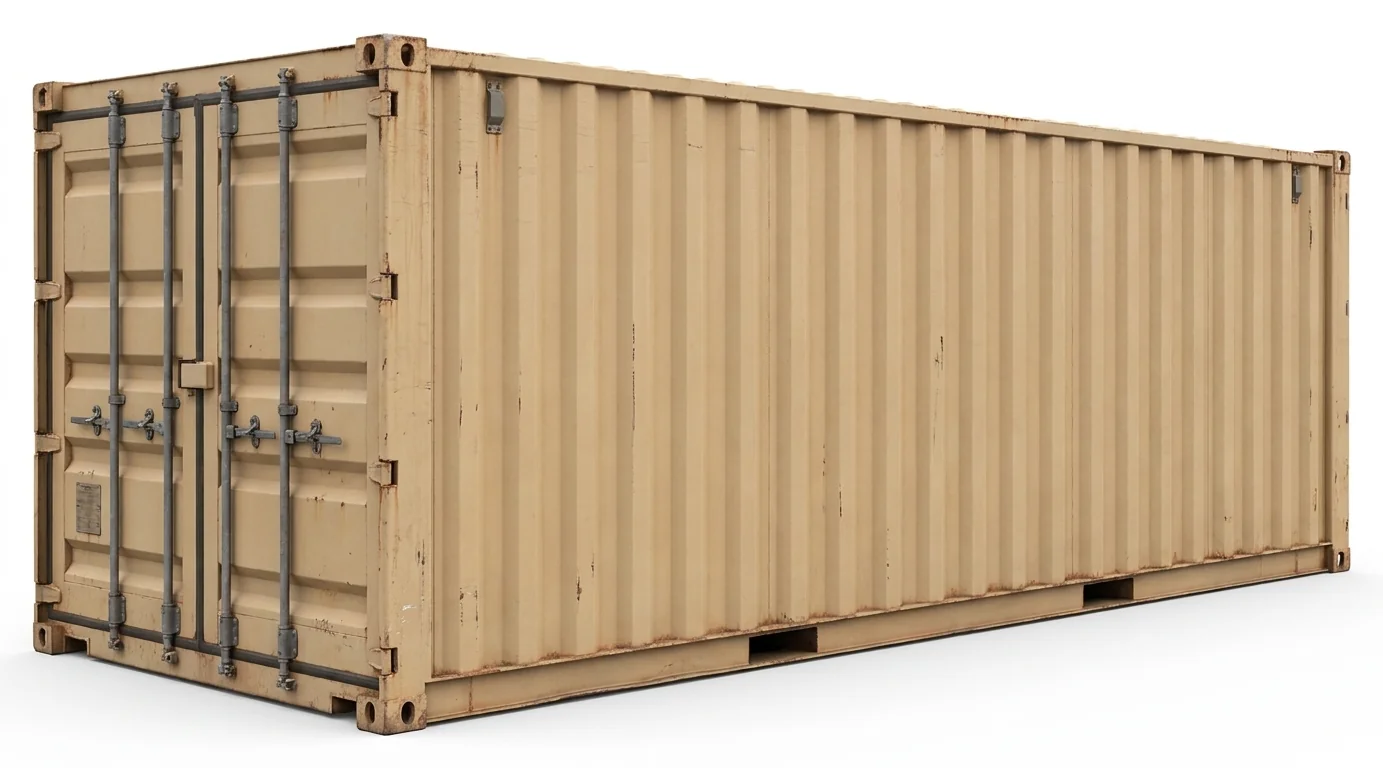
Start with door access. If palletized goods arrive by forklift, align doors with the travel lane and confirm mast clearance when the forks tilt. For parts kitting near a line change, a side-access unit can shorten pick paths.
Questions to answer: - Can the container sit below the task area without blocking docks or emergency routes? - Will forklifts approach straight-on, or is there a tight S-curve near racking or columns? - What floor load is needed for parts bins, jigs, or glass crating?
Local site and surface factors
The Toledo area includes paved aprons, compacted yard mix, and spots influenced by historic marshland soils. Soft or saturated surfaces can settle under concentrated container loads, changing door alignment. Level, firm placement keeps doors square and reduces binding in winter freeze-thaw cycles. Snow and slush at door thresholds also affect daily access.
Size, layout, and security considerations
- Short projects or indoor placement: Smaller footprints reduce aisle disruption.
- Long-term staging at industrial sites: Standard lengths accommodate racking and pallet flow.
- Tooling or sensitive components: Units with lined interiors help control condensation swing in humid periods.
For projects paired with lift work, container position should respect lift travel paths and turning radii. See /forklift-rental/ for material handling around containers and /telehandler-rental/ when staging occurs on uneven ground.
Access route measurements
Measure: - Door-to-dock distance and overhead obstructions - Turning radius from the yard entrance to the set location - Slope and surface condition where the container will land
Nearby logistics corridors in Toledo often mean high traffic at shift changes; place containers where loading does not collide with inbound trucks. For elevated installation that follows staging, compare /electric-scissor-lift-rental/ or /boom-lift-rental/.